Brexit at 10: Devolution
The UK’s vote to leave the EU immediately exposed divergent views across the UK.

Brexit heralded a low point in UK–devolved relations and posed new challenges for devolution that are still causing tensions a decade on, say Akash Paun and Megan Isaac
Brexit posed new challenges for devolution and intergovernmental relations
Brexit’s promise to ‘take back control’ and reassert parliamentary sovereignty was always likely to sit uncomfortably with the reality of a devolved UK in which there are not one, but four, legislatures. Devolution itself had happened in the context of EU membership: devolved competences in areas such as agriculture, fishing and the environment were constrained by Brussels, not London.
Brexit removed this constraint and raised a new question of how to manage potentially economically damaging divergence within the UK as powers over key policy areas returned. Theresa May’s government started negotiations on a system of mutually agreed ‘common frameworks’ between the four administrations, but the subsequent Boris Johnson government opted instead for ‘muscular unionism’. Its UK Internal Market Act 2020 imposed new constraints on the regulatory freedom of the devolved legislatures and was decried in Edinburgh and Cardiff as a ‘Westminster power grab’.
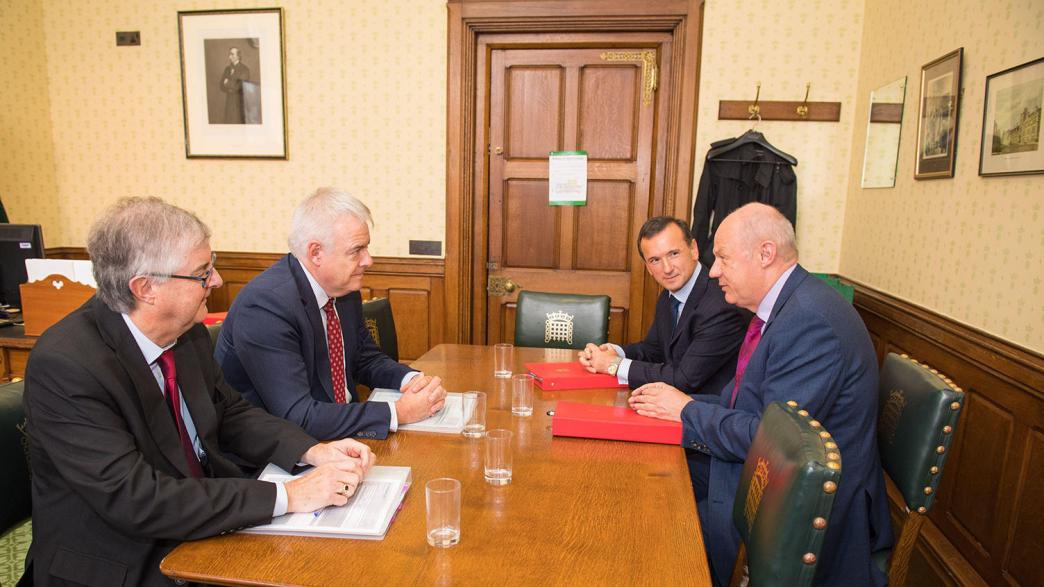
That was the most egregious breach of the Sewel convention – a self-denying ordinance not to legislate in Westminster on devolved matters without devolved consent – but it was far from the only one. A total of five Brexit-related bills were enacted without devolved consent between 2018 and 2023, not least the EU Withdrawal Act 2018 which proceeded despite the opposition of the Scottish parliament.

Scottish first minister Nicola Sturgeon and Welsh first minister Mark Drakeford during a joint press conference at Bishop Partridge Hall, Westminster, to oppose Boris Johnson's Brexit bill.
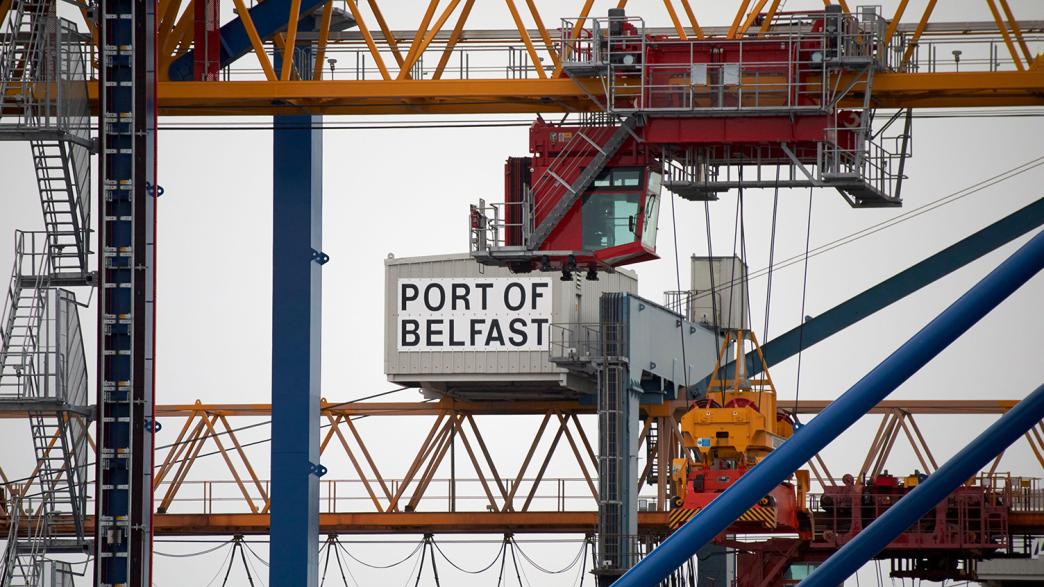
In Northern Ireland, Brexit became a further point of tension between nationalists, who overwhelmingly voted to remain, and unionists, who voted by two thirds to leave. 18 Garry J, ‘The EU referendum vote in Northern Ireland: Implications for our understanding of citizens’ political views and behaviour’, 2017, www.niassembly.gov.uk/globalassets/documents/raise/knowledge_exchange/briefing_papers/series6/garry121016.pdf Much of the post-Brexit debate was shaped by the seemingly intractable challenge of reconciling the unionist rejection of any economic or regulatory border between Northern Ireland and Great Britain, the nationalist rejection of a border on the island of Ireland, and the EU’s determination to maintain the integrity of its single market. Ultimately, to deliver the sort of Brexit he wanted – for Great Britain – Johnson opted for a barrier to east-west trade, via a new border in the Irish Sea.
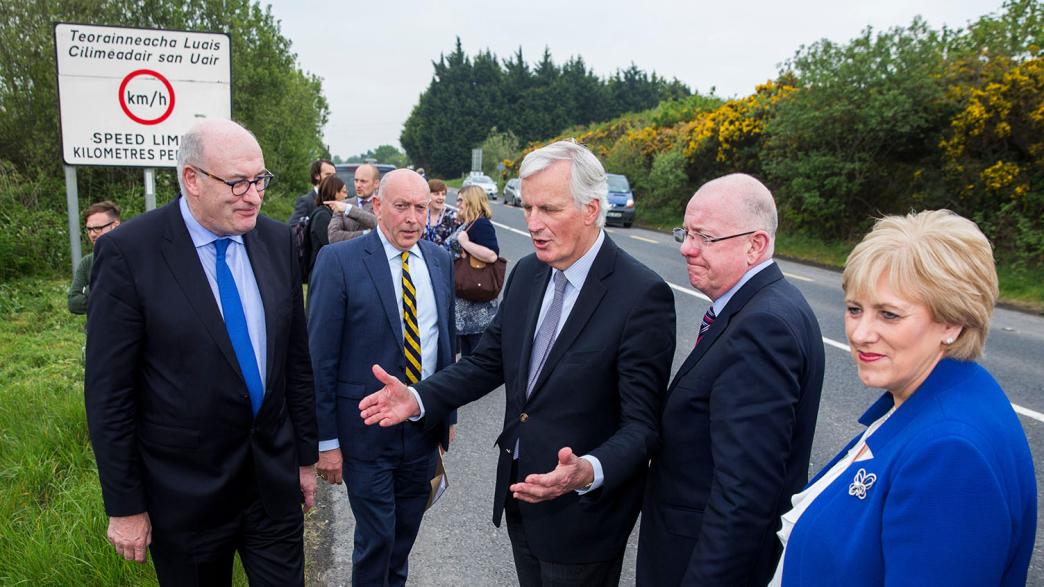
Trust in the UK government plummeted into low single figures and implementing the new arrangements contributed to the extended collapse of power-sharing and devolved governance in Northern Ireland between February 2022 and February 2024. The executive was only restored on the back of new commitments from Rishi Sunak’s government to minimise divergence and promote east-west trade.

Brexit reignited calls for independence, but made the practical case for nationalists more challenging
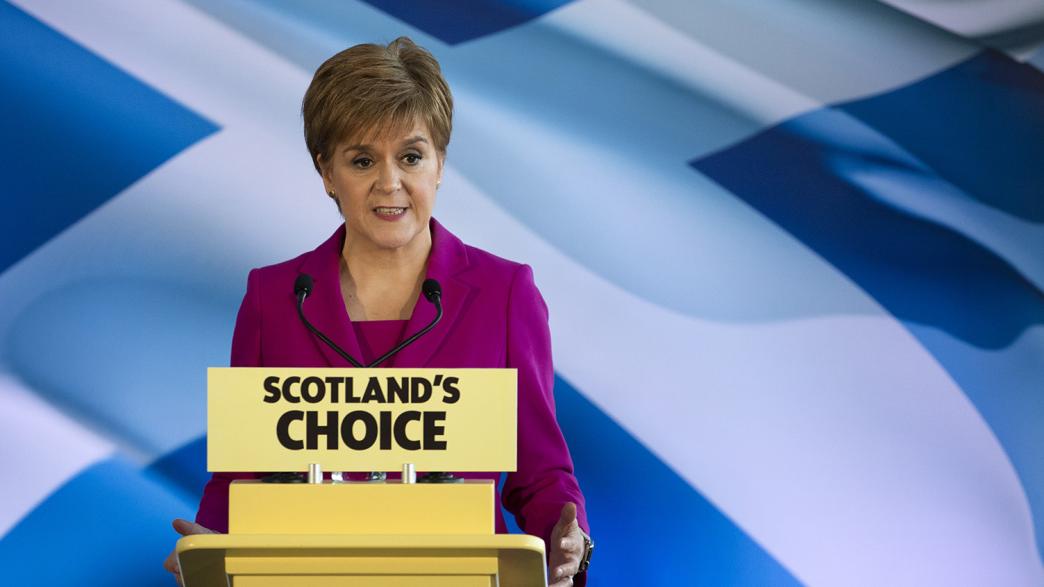
Uneven support for Brexit across the nations also reignited calls for independence and raised deep questions about the future of the union. Immediately after the result then SNP first minister Nicola Sturgeon called for a second Scottish independence referendum on the basis that Brexit presented a “material change of circumstances” since the 2014 referendum. The contention then, that staying in the UK was the only way to guarantee Scotland’s continued membership of the EU, was replaced by independence as the route back from Brexit. Support for independence has hovered at around 50% ever since.
Meanwhile Brexit boosted support for – and even expectation of – eventual Irish reunification. Support increased from around 22% in 2017 to 36% in 2025, 22 Northern Ireland Life and Times Survey, 2017–2025, www.ark.ac.uk/ARK/nilt/. Note that the wording of the question on Irish reunification in 2017 differed from the wording from 2019, but the upward trend in support for Irish reunification remains. while the proportion of people in Northern Ireland saying that the UK leaving the EU makes them feel more in favour of a united Ireland has more than doubled from 16% in 2016 to 38% in 2025. 23 Northern Ireland Life and Times Survey, 2016–2025, www.ark.ac.uk/ARK/nilt/
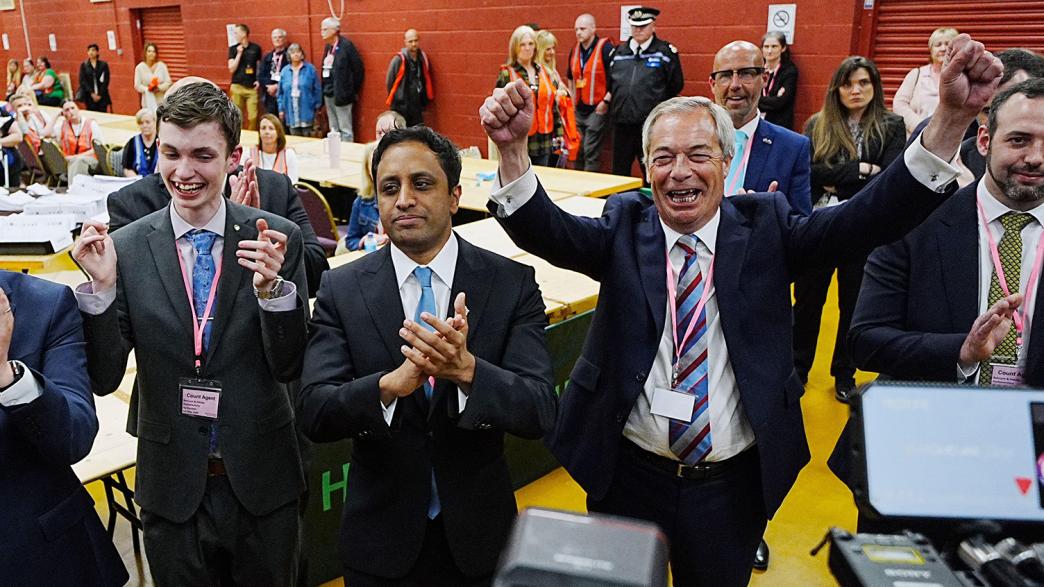
The 2026 devolved elections returned pro-independence parties in both Scotland and Wales for the first time since devolution – both of whom support stronger relations with the EU. Conversely, in England support for anti-EU parties with a shallower commitment to the principle of devolution (whether in the form of UKIP, the Brexit Party or Reform UK) has risen sharply in the decade since the referendum, with a particularly strong base among voters who identify as English rather than British. 24 Henderson A, Jeffery C and Wyn Jones R, ‘How Brexit was made in England’, The British Journal of Politics and International Relations, October 2017, https://journals.sagepub.com/doi/10.1177/1369148117730542 These developments raise further questions about the long-term health of the union.
Practically, however, Brexit has made the case for independence more challenging for nationalists. The UK’s exit from the EU means that an independent Scotland or Wales seeking to rejoin the EU would face significant disruption to its trade with the rest of the UK, which would become their largest ‘external’ trading partner.
Brexit at 10
To mark the 10th anniversary of the EU referendum, the IfG has reflected on how leaving the EU has changed UK government.
Explore the series
Labour’s ‘EU reset’ reopens questions about devolved involvement in negotiations
Keir Starmer entered office in 2024 promising a twin “reset” of relations with both the EU and devolved governments. While the tone of intergovernmental relations (IGR) with the devolved government has improved, and the Sewel convention has operated with fewer disputes, other frustrations with the practice of IGR remain, including variable practice by different Whitehall departments in how thewy consult and involve devolved counterparts in the policy-making process.

The UK Internal Market Act similarly remains a point of contention despite the completion of its statutory review, with the Scottish government citing it as "the single greatest impediment to more effective and respectful intergovernmental relations" 27 Scottish Government, Internal Market Act 2020: position paper, April 2025, www.gov.scot/publications/scottish-government-position-paper-internal-market-act-2020/ and rejecting the UK government’s claim that relations have been successfully reset.
The UK government’s commitment to reset relations with the EU exposes a further set of devolution questions. The prime minister and three first ministers are broadly aligned in their desire to strengthen their relations with the EU, creating an opportunity for Starmer – and potentially the next prime minister – to work more closely with the devolved governments on this agenda. Closer alignment with the EU could also ease pressures from the Irish Sea border and help limit intra-UK divergence without relying on the UK Internal Market Act.
Yet, while UK–EU regulatory alignment may reduce some of the immediate pressures generated by Brexit, it does not resolve the underlying constitutional question of where authority should lie within the UK’s devolved system. International relations are reserved to the UK government, yet the implementation and consequences of international agreements frequently extend into devolved areas such as fisheries, agriculture, education, and environmental policy.
To date, however, devolved governments have been critical of their limited involvement in UK–EU negotiations under Starmer. 28 Constitution, Europe, External Affairs and Culture Committee, ‘United Kingdom-European Union Summit’, Scottish Parliament, June 2025, www.parliament.scot/chamber-and-committees/official-report/search-what-was-said-in-parliament/lghp-19-06-2025?meeting=16525&iob=141145 This raises the question of whether whoever leads the UK into the next phase of negotiations with Brussels will do so in genuine partnership with the devolved governments – as captain of Team UK – or will seek to impose a deal on Edinburgh, Cardiff and Belfast, even at the cost of triggering further tensions between the four nations and governments of the UK.