Brexit at 10: The civil service
Hannah Keenan looks back at being part of the ‘Brexit cohort’.

The first few years in a new career, or in the workplace at all, are formative. For a large cohort of civil servants – myself included – those years came during Brexit. The baseline we got was not very solid

Policy making in a crisis: A civil servant’s guide
What works in crisis policy making, what doesn’t and why.
Read our guide
But Brexit also set in motion damaging trends in how the civil service works
Alongside those long-lasting positive impacts, however, the Brexit-era changes set in motion what are now deep problems with how the civil service approaches the work of government. It has also created a disconnect between what civil servants themselves expect from their careers and what the government can offer.
The Brexit cohort’s default is crisis and speed. The muscle memory is therefore, more often than not, a crisis response lever – daily meetings, quick notes for ministers, a taskforce to crack the problem or even some emergency legislation. Those are crucial tools, and it is a good thing that so many leaders have them in their arsenal. But for too many of the Brexit cohort, who were promoted on a narrower base of experience than they might otherwise have been and many of whom are now running large teams and policy areas, these are now for some the primary tools being reached for.
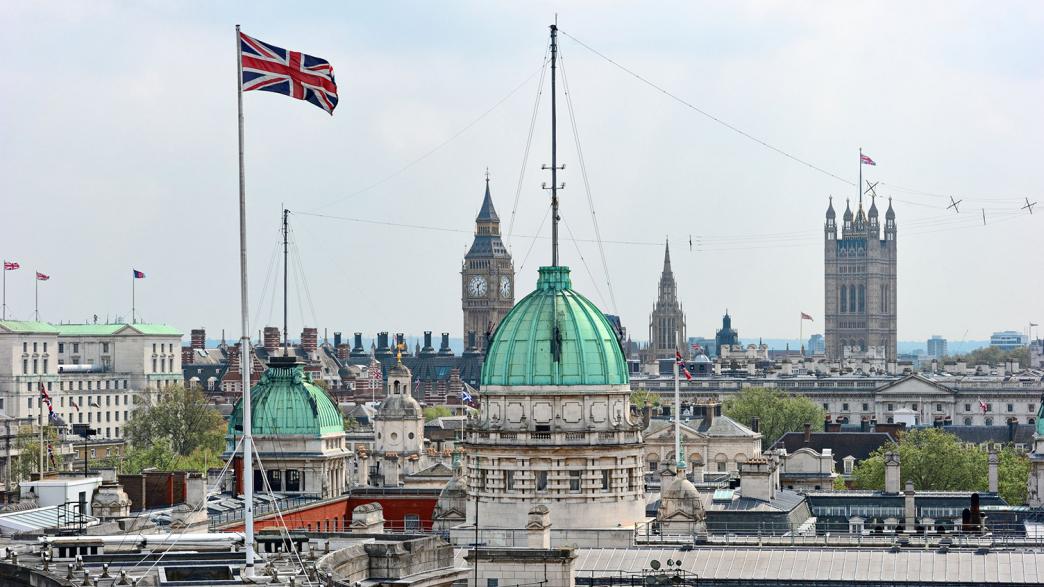
This cohort was also not taught the skills of longer-term, detailed policy making. Partly because L&D was hollowed out just as large numbers were being recruited, and partly because it was not being practiced by their seniors. Some of that skill is in understanding what ministers want, and having the confidence and tools to step back from that immediate ask and figure out how to get the state there. Many of the Brexit cohort don’t have deep knowledge and experience of that skill, and so are not passing it on consistently to the post-Brexit (and post-Covid) cohorts joining now.
Civil servants have spent so long responding to external shocks – to what the state needs – that the creativity and practice of responding to manifesto commitments or political goals – that is, to what ministers want – is no longer a widespread skill.
Brexit at 10
To mark the 10th anniversary of the EU referendum, the IfG has reflected on how leaving the EU has changed UK government.
Explore the series
Brexit broke the implicit contract between civil servants and the state
Brexit has also driven a wedge between what many civil servants expect from their careers, and what the civil service can now offer. The rush to hire civil servants as Brexit preparations began meant people were hired at a higher grade, or promoted sooner than they might have been. That has been exacerbated by unhelpful pay structures that leave promotion as the only way to reward performance – or even to avoid real-term pay cuts.
There is now a particular ‘bulge’ at the higher grades of the junior civil service (Grades 6 and 7). This has led to frustration from this group at the lack of career prospects into the senior civil service, and confusion and angst over what their roles are: because of grade inflation the expectation and reality for autonomy and responsibility at these grades now vary wildly.
But the cohort behind this one are struggling too. Many of the post-Brexit, post-Covid cohort set their own career aspirations by looking at those above them, and some expect to move up the ladder just as quickly. This is unlikely to happen. Many of the opportunities for promotion are no longer available, and where they are they are being snapped up by experienced seniors who aren’t yet making it into the senior civil service.
There is rightly now an expectation that staff do longer at each grade. But with real-terms pay so far below where it was in 2010 (a particular issue for London staff where housing costs, in particular, have risen sharply), and still no way to reward staff who stay in their roles and build expertise, that is looking like an increasingly poor offer, and many are demoralised.
Brexit is not the sole cause of all this. But it was the start of the perma-crisis that has forged so much of who the civil service are, and how they work, today. Lots of good came out of that, but the shifting baselines on which a generation of civil servants forged their careers also stored up all sorts of problems which are now coming home to roost.