Brexit at 10: UK foreign policy
The geopolitical shifts of the mid-2010s have only intensified in the decade since Brexit.

The UK’s vote to leave the EU came amid three shifts – a more aggressive Russia, a more assertive China and the inauguration of Donald Trump’s America – that defined the geopolitical challenges that leaders in London and other European capitals still face today, says David Lidington
In 2014, Russia's invasion of Crimea and Donbas removed any doubt still lingering after the 2008 attack on Georgia about President Putin’s desire to smash the post-Cold War settlement in Europe. Then, in 2015, the Chinese government published Made in China 2025, setting out its strategy to achieve domination of the global supply chains in every one of the key 21st century technologies by the centenary of the People's Republic in 2049. And in 2016 the election of Donald Trump heralded the end of a 70-year period in which European democracies could rely on America’s commitment to their defence. It was in this context that the UK voted, on 23 June 2016, to leave the EU.
Global Britain stays close to home
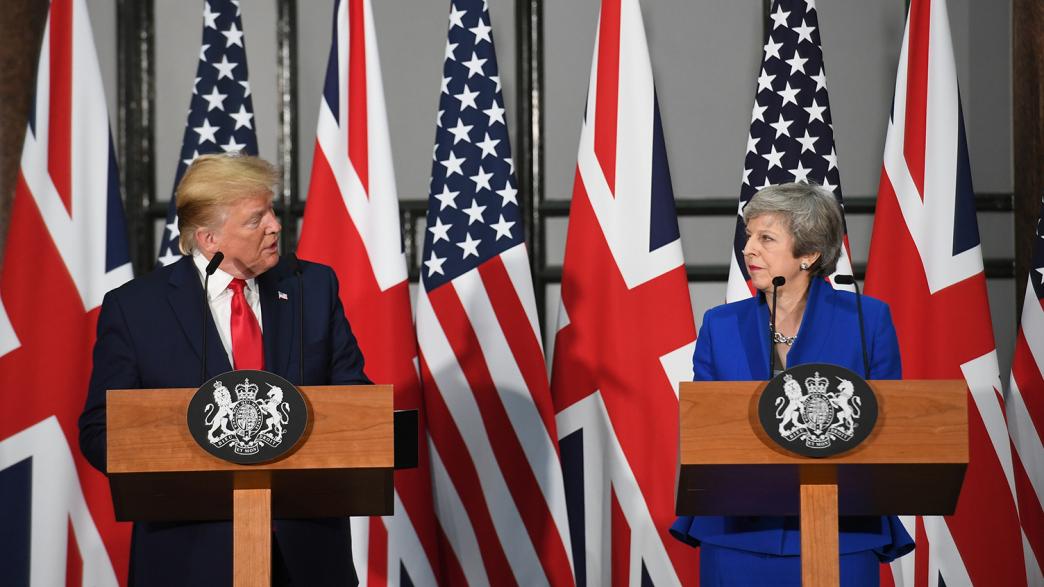
For all the excited talk about “Global Britain”, in practice even the most enthusiastic supporters of leaving the EU ended up largely aligning British policy with that of our European neighbours because that was what the national interest required. The E3 meetings of British, French and German political directors and foreign ministers continued, for instance, even while EU exit negotiations were at their most fraught.
Despite pressure from Washington, Boris Johnson’s policies on Russia, Israel/Palestine, Iran, China and climate change stayed close to those of the other Europeans, and Liz Truss (a fervent convert to Brexit after the referendum) requested UK participation in the EU’s Permanent Structured Cooperation (PESCO) initiative on military mobility.
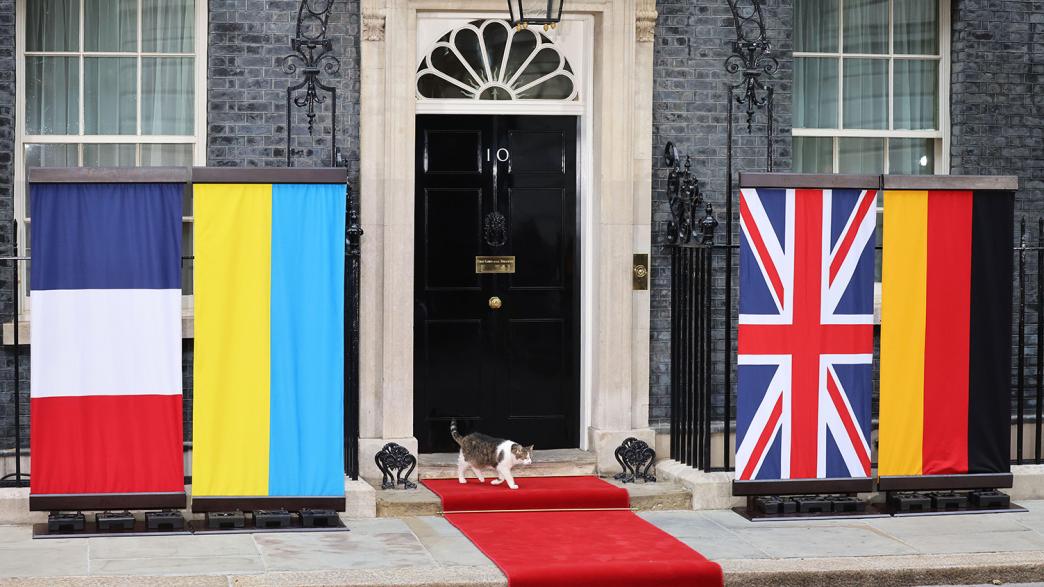
British ministers worked closely with their European counterparts to coordinate the allied response to Trump’s scepticism about NATO and his demand that European countries should pay their fair share of the cost of defending their continent. The UK took the lead in establishing the Joint Expeditionary Force of northern European allies and from Johnson to Starmer has been one of the most ardent champions of Ukraine in resisting Russia’s renewed aggression and helping to lead Europe’s response. All of this would have been possible, indeed probable, if the UK had stayed within the EU, but it is also true that Brexit did not stop this cooperation between the UK and its European allies from happening.
Brexit at 10
To mark the 10th anniversary of the EU referendum, the IfG has reflected on how leaving the EU has changed UK government.
Explore the series
Ukraine and Russia have refocussed minds
For the most part, however, the story of the last decade has been of the UK looking for a new way in which to work with its European neighbours while being outside the EU. Russian aggression – most obviously in Ukraine, but also through its cyber-attacks, targeted sabotage, airspace incursions and of course its use of novichok in Salisbury in 2018 – combined with increasing doubts about the commitment of the US to European security, have reminded leaders on both sides of the Channel that there are more important matters at stake than the rules on sandwich fillings in Northern Ireland.
The Ukraine crisis has seen a closer, less fractious relationship between the EU and NATO, alongside the EU (thanks in part to the absence of a UK veto) taking on greater responsibilities for defence and security policy, including the financing of support for Ukraine through EU spending and initiatives aimed at strengthening the Union’s defence industrial base.
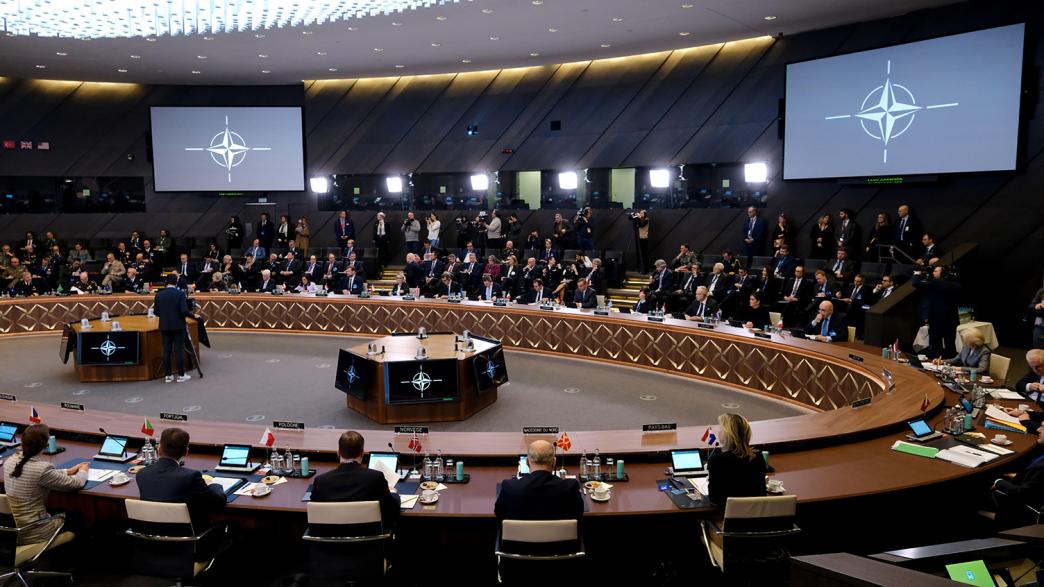
But it takes time for political bruises to heal, and the failure in 2025 of negotiations for UK participation in the EU’s SAFE initiative on defence procurement showed that some in Brussels and Paris, not just Westminster, have hang-ups about Brexit. Nevertheless, the evolution of a de facto E3-plus or ‘Weimar-plus' grouping including Britain, France, Germany, Poland, Italy and the EU points towards a future involving much closer collaboration among European powers.

A tilt to the Pacific?
Since the UK is a European power with global interests, ministers have looked for opportunities elsewhere in the world too. The AUKUS security partnership between the UK, US and Australia, was and continues to be a valuable alliance, particularly in the opportunities for technology transfer under AUKUS Pillar 2. There was, of course, no legal obstacle to AUKUS had the UK stayed inside the EU – and competition between British and French state-backed defence companies was ferocious when both countries were member states – but we can never know how the counterfactual would have played out.
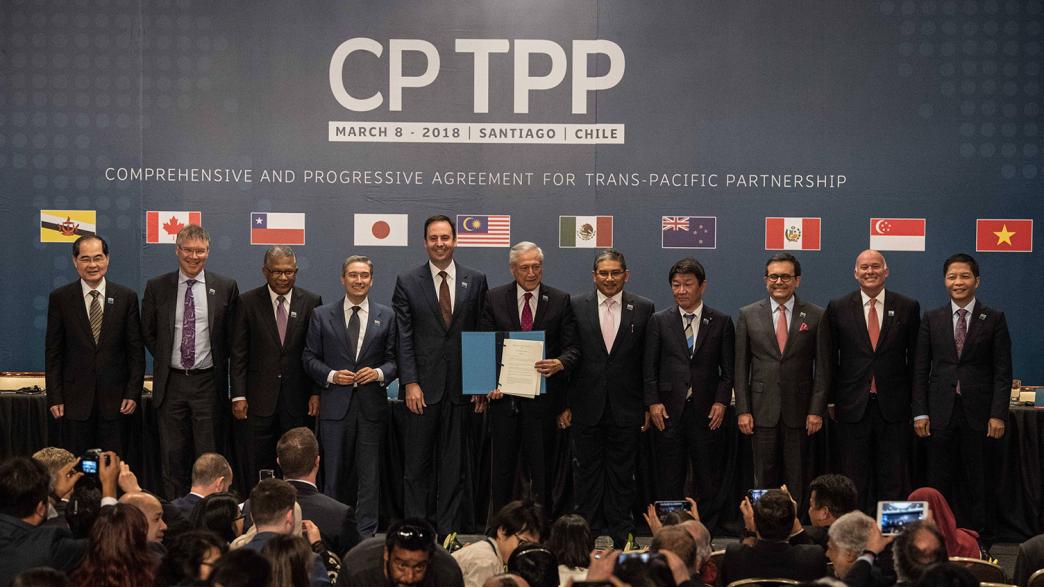
While it doesn’t remotely compensate for the loss of privileged trade access caused by leaving the EU, the UK’s participation, since 2024, in the Comprehensive and Progressive Agreement for Trans-Pacific Partnership (CPTPP) was also a welcome move. Looking forward, UK support for closer links between CPTPP and the EU would help to maintain free, rules-based trade in the face of a drift globally towards protection.
But for all the spin about a “tilt to the Pacific”, both the 2021 and 2023 Integrated Reviews stated emphatically that our national interests and both our political and defence resources would continue to be focused on the Euro-Atlantic. With Russian aggression unabated, the US at best an unreliable ally, and China’s drive to dominate supply chains, achieving a closer and more effective working relationship with the other European democracies will be a key foreign policy priority for this and future governments, from whichever political parties they are drawn.