Working to make government more effective

Comment

Protecting spending on prevention could be transformational

The chancellor took on a key IfG recommendation in Wednesday’s budget.
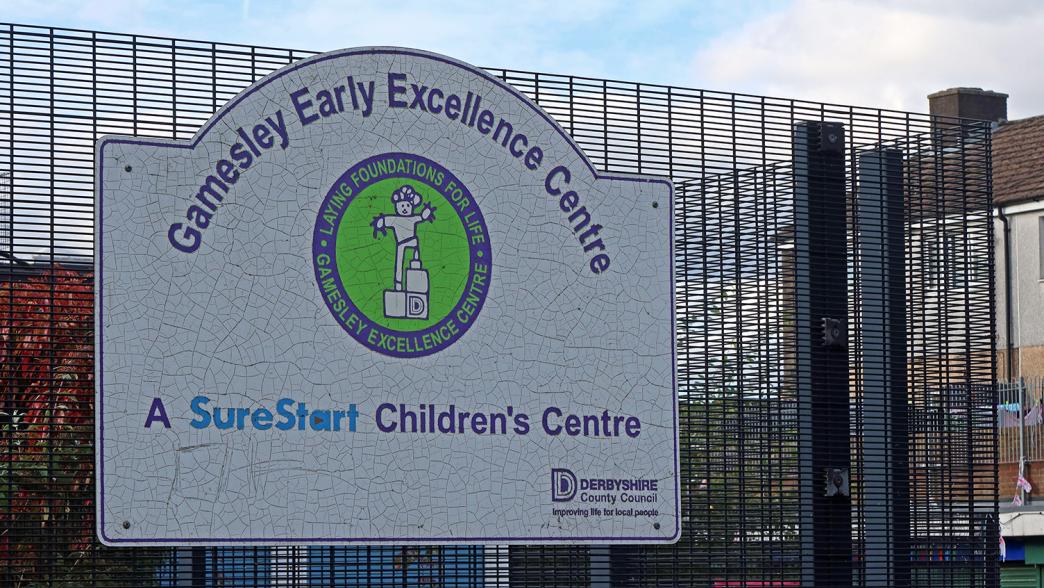
A sure start centre
A Sure Start centre.

The introduction of preventative department expenditure limits (PDEL) is hugely welcome, but it’s crucial the government gets the definition and implementation right, say Nick Davies and Stuart Hoddinott.

Amid the underwhelming tax and spend measures in this week’s budget, John Healey slipped in a quieter announcement: that next year’s spending review will include a “ringfence [on] prevention spending that brings down costs in the future”. 4 https://www.gov.uk/government/speeches/budget-2026-speech  That is an exciting announcement and is in line with recommendations we have made for years.

A prevention ringfence would be a really positive change to the spending framework 

We have written extensively about the trend of services prioritising spending on acute areas – residential children’s care, acute hospitals in the NHS, the prison system – while cutting spending on more preventative areas.

There are many reasons for that. Political incentives push policy makers towards spending in areas that deliver short-term results. Siloed funding flows mean that the benefits from preventative spending in one service often accrues to another. For example, local authority spending on adult social care often benefits the NHS, so why would the council prioritise it? And there are wider problems, not least that funding is arguably insufficient to meet demand. 

This announcement should not be seen as a silver bullet. But the change will give the government another (very important) method to change how services spend money. But this is a big step that should shift the government’s and services’ incentives towards investing in areas with long-term benefits. 

It will be important that central government passes the ringfence down to local areas. Local authorities, NHS trusts, GP practices, schools and police forces design and deliver most services, so they too should be incentivised to think about how to prioritise prevention in a local area. 

The case for PDEL is particularly strong given tight budgets 

The dynamics described above are amplified when funding is tight, as it has been in many services since 2010. Under pressure to balance budgets, services choose to shift funding away from prevention, where the impact is less immediately visible. That makes sense in the short term but leads to a pernicious cycle of increasing demand for acute services, which necessitates further cuts to preventative budgets. 

That will not go away entirely. And this will still therefore require difficult choices about how to allocate funding. In some ways, though, the tight fiscal picture over the coming years makes the case for a prevention ringfence stronger, not weaker. There will be repeated, possibly greater, temptations to reallocate preventative budgets to meet immediate needs. Having a separate classification will raise the political cost of doing so.  

PDEL could be far more transformational than just protecting existing budgets 

Given the tight funding settlements for departments, just protecting prevention budgets from further erosion would be a success for PDEL. However, the potential benefits over the medium to long term could be far more substantial.  

First, the process of defining preventative spending and putting a ringfence around it would create a firm baseline against which progress can be measured. This would enable the government (and external organisations like IfG) to track prevention spending over time, increasing accountability and allowing ministers to take credit for improvements. As such, it would subtly shift the political incentives faced by the government, making it easier to boost prevention budgets. The Starmer administration gave itself a similar commitment device in the NHS, where it set a target in the 10-Year Health Plan for “the share of expenditure on hospital care [to] fall, with proportionally greater investment in out of hospital care”.

Second, providing individual services with a prevention budget, rather than the existing plethora of smaller ringfenced grants, would give them more flexibility to design services around people’s needs. Currently, spending silos mean that there is a lot of duplicative spending, with different bodies spending funds on the same things – and indeed often the same people, with the highest levels of need. Unable to think holistically about how to meet these needs, the result is that multiple services case-manage the same ‘frequent fliers’ but each with an inadequate set of tools.  

A wider, single prevention ring-fence would enable organisations to redesign their own services around user need and, by facilitating a more holistic approach, also allow better collaboration between different agencies. Whether through improved alignment of activity, or in some cases through pooling of budgets, it would enable government to deliver far better outcomes on existing budgets. 

The next step will be to define ‘preventative spending’ 

There are still pitfalls between now and the spending review. Establishing a working definition will be crucial to prevent substantial amounts of gaming. This requires careful balance. Too broad a definition and it becomes meaningless; too narrow and there will be little incentive to focus on small pots of money. 

At some point, then, the government will have to take a political decision about what constitutes preventative spending. That will necessarily be imperfect. But the government shouldn’t let perfect be the enemy of the good. A sufficiently robust and considered definition will deliver the benefits described above. 

To meet a relatively tight timetable we think the government should look at programmes and services – for example family hubs, or public health – rather than trying to come up with an entirely new accounting classification for every pound spent.

The ringfence should also be broad enough to give local areas flexibility in how to spend money: it is no good just creating another narrow ringfence handed down from central government, tying the hands of local areas. So it should include a range of primary, secondary and tertiary interventions. The government should also consider whether it can include some annually managed expenditure spending – demand-led spending on things like welfare and pensions – given the impact that benefit levels have on outcomes.  

This is an important moment in the decades’ long attempt to make a meaningful shift towards more preventative spending. The government should be commended for its willingness to try something genuinely new and innovative.

A preventative approach to public services

How the government can shift its focus and improve lives

Read report
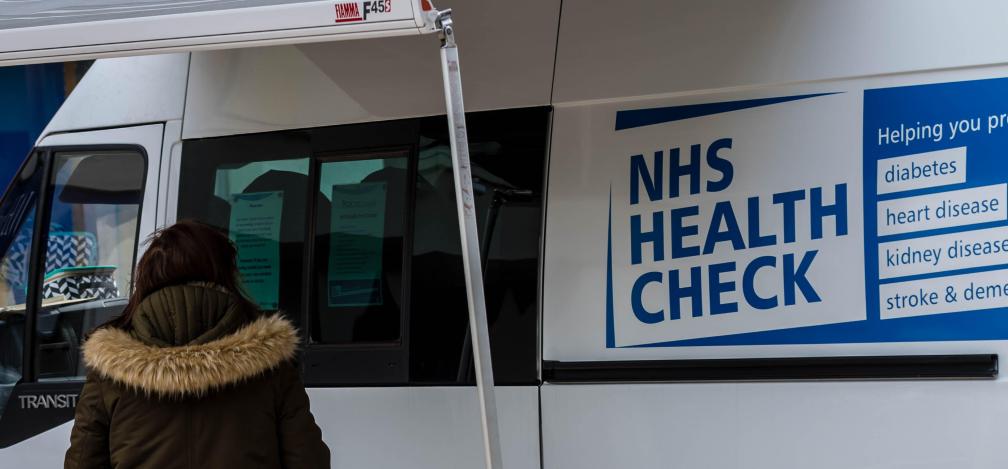
An NHS health check van
Political party
Labour
Administration
Burnham government
Project
Budget 2026
Public figures
John Healey
Publisher
Institute for Government

Related content