Is the UK ungovernable?
Old problems and new challenges can be addressed by a government with the right ideas and commitment.

Claiming the UK is ‘ungovernable’ is a dereliction of responsibility, argues Hannah White
Governing the UK has become more difficult over the past decade, as a result of major external crises, difficult secular trends and the ways in which politics has changed in response. But the UK is not ungovernable. Indeed, it still has many of the institutions, rules and much of the culture required to be successful, and where these are deficient, the means for them to be replaced or reformed. What has been lacking in recent years is leadership capable of aligning a political project with the administrative machine of government, the courage to articulate trade-offs, and the skill to communicate a vision of where the country should be going.
Power with purpose: Final report of the Commission on the Centre of Government
No.10 and the Cabinet Office be merged to form a new Department of the Prime Minister and Cabinet to enable more strategic control at the centre of government.
Read the report
Crises and trends have created serious policy challenges
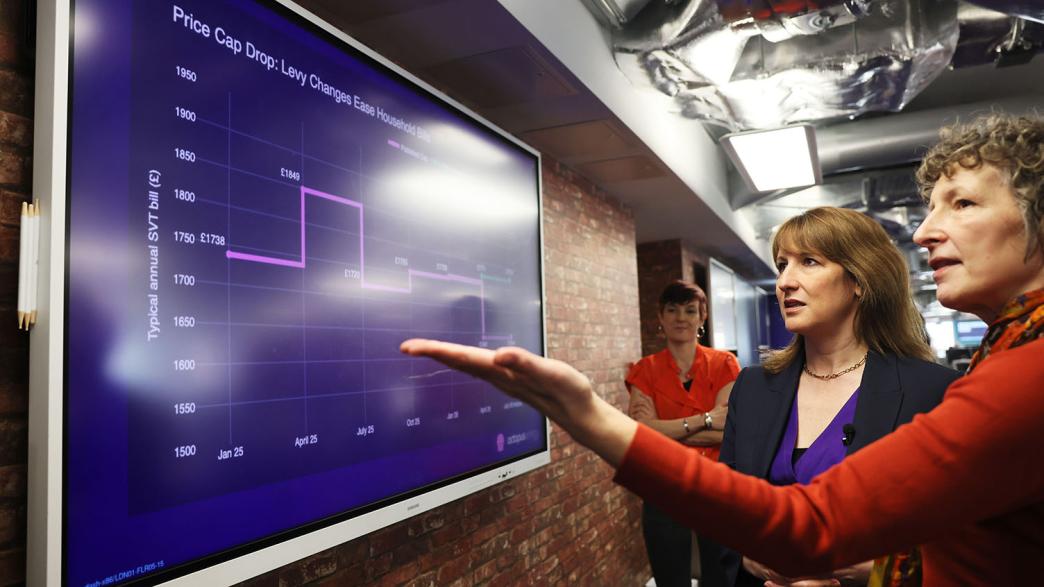
So, what has changed? Most obviously, UK government has had to deal with major shocks not seen for a generation over the past 20 years: the profound implications for the UK in the frontline of the global financial crisis and the public spending squeeze that followed; the considerable political turmoil and enormous administrative effort resulting from the decision to leave the EU; the economic and societal shock of the pandemic; and the consequences for energy and trade of escalating geopolitical tensions and wars. These crises have imposed short-term demands on the government machine which have exposed some serious gaps in capacity and resilience. They have also generated novel policy challenges to which the machine has responded admirably in the moment – think furlough and the energy price guarantee. But they have also had longer-term, negative impacts – ratcheting up the UK’s debt and leaving a long tail of societal effects such as the pandemic’s impact on mental health, the NHS and education.
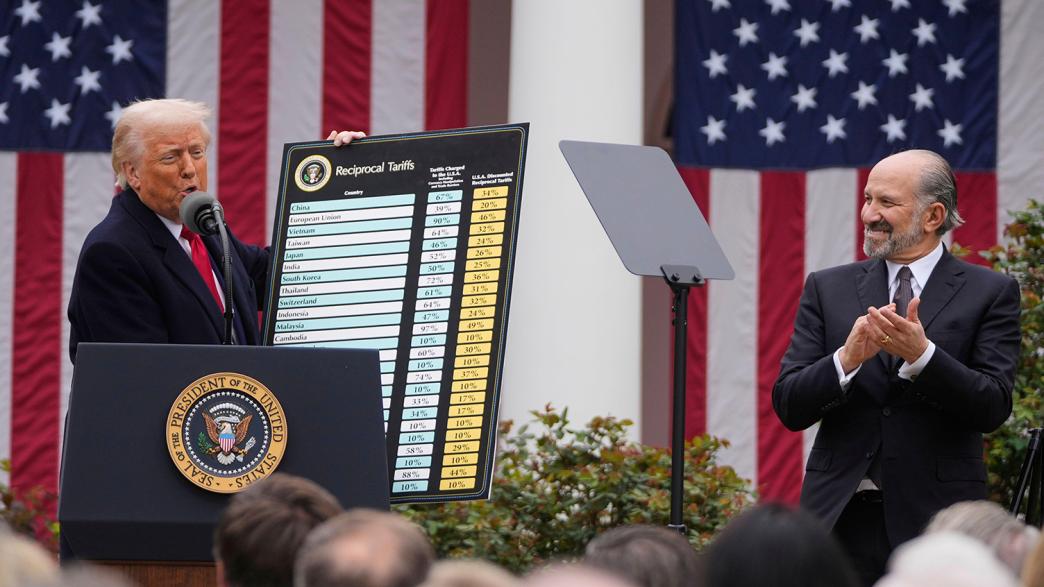
While Brexit was a consequential decision unique to the UK, other recent major crises have been global in their impact – causing similar challenges to government across the world. But in many cases, for a variety of reasons, their effects on the UK have been more severe – consider the energy inefficiency of our housing stock and dependence on gas sharpening the impact of energy price spikes, or the openness of our economy exposing us to the impact of Donald Trump’s capricious trade policies.
Meanwhile, past policy choices are coming back to bite today’s politicians as the IfG’s Public Services Performance Tracker has repeatedly demonstrated. The consequences of long-term under-investment in the public service infrastructure are becoming ever more evident, as demand pressures – driven by demographic and other societal changes – continue to rise. Hospitals, schools and roads are crumbling, nurses, care workers and teachers are struggling in the face of the sharp increases in the cost of living and in many areas the performance of public services is falling.
And what has changed is that ministers cannot throw money at these problems in the way their predecessors might have done, because the fiscal space available to them is so constrained. The UK’s persistently low productivity combined with the spending demands and economic effects of a decade of crisis have dramatically reduced the money available for public sector reform and capital investment. And new spending pressures that have emerged since the election – not least the newly-emerged cross-party consensus about the need to increase defence spending – make the economic circle even harder to square.

The consequences of long-term under-investment in the public service infrastructure are becoming ever more evident.
The public is primed for disappointment
Despite the increasing challenges facing the UK, politicians from all parties have persistently refused to seek a mandate for tackling difficult trade-offs. After the 2024 election, Labour was keen to emphasise the negative inheritance it had received from the Conservative Party, but before the election it had echoed the Conservative claim that the UK’s public finances are sustainable. This is uncomfortable for many Labour backbenchers, who have resisted attempts by the Starmer government to address the tight fiscal position – by reducing incapacity benefits or winter fuel payments, for example. That refusal to address spending choices, and Labour’s manifesto commitments on tax have meant the chancellor has resorted to tax options which have undermined her holy grail of growth.
Unsurprisingly, the public is frustrated not to see the significant improvements in public services they thought they had been promised by Labour ahead of the election. As modern consumers, voters’ experience of rapid Amazon-style delivery is sharply out-of-kilter with the reality that change in complex government systems can take years or even decades to deliver. And their disappointment is sharpened by their recent experience of rapid and sweeping government spending in response to the pandemic and the Ukraine energy price shock. Voters have come to expect an activist state willing to step in when times are hard, and are disappointed not to have seen the same level of intervention in response to the cost-of-living crisis – and opposition parties across the spectrum are pandering to those expectations.
The government machine is in need of reform
For ministers seeking to govern in this context of sudden shocks, multiple policy challenges and rising public dissatisfaction, the fitness of the government machine is crucial. The UK has much of the governance infrastructure needed to run the country – the institutions, rules and culture – but politicians need to recognise the extent to which these have changed over the past decade and the reforms that are necessary to ensure they are fit for the challenges of governing today.
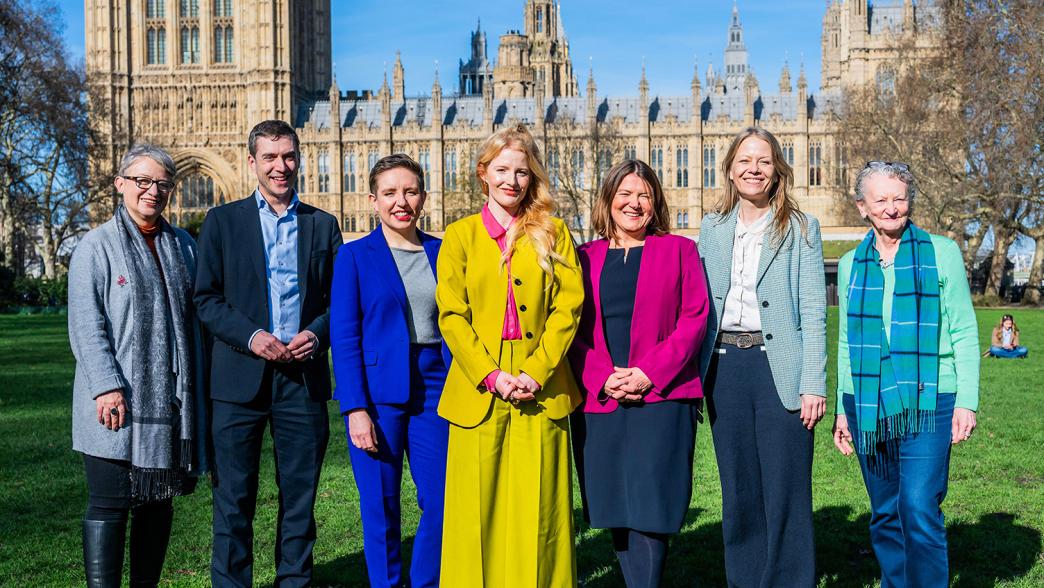
Take our democratic system. As the May 2026 elections demonstrated, our new multi-party politics are here to stay – with both the right and left blocs breaking down in response to voter dissatisfaction with Labour and the Conservatives. Parliament urgently needs to adapt its rules and procedures to reflect the right to voice and influence of multiple smaller parties achieving electoral success. Meanwhile, our first-past-the-post electoral system is creaking, and mainstream political parties no longer seem to provide the connection between the public and politics that used to be their essential role. The exception to this may be English mayors such as Andy Street and Andy Burnham who, seem to command public confidence in a way that Westminster politicians don’t. By contrast, the increasingly narrow memberships of political parties have repeatedly chosen national leaders lacking essential skills needed to govern.
Public distrust of key institutions has increased – with dismay at high-profile failures exacerbated by trenchant cross-party criticism. The capability and impartiality of the civil service have been challenged, with dissatisfaction expressed by ministers about its ability and willingness to deliver on the government’s agenda. The work of previously trusted institutions has been called into question, including editorial standards at the BBC, problems with the Labour Force Survey at the Office for National Statistics, and major IT failures, such as at the Post Office. Public inquiries have proliferated, but without generating public confidence that these are the right vehicles to establish accountability and learn lessons – whereas the recommendations of nimbler, swifter inquiries could be implemented and tracked.
There is no question that these are serious problems, but they do not add up to an ungovernable state. Some reflect problems of leadership, which can be replaced – as Keir Starmer has done with his cabinet secretary. Others reflect institutions built for an earlier age – like parliament – where vested interests must be tackled so that systems can be reformed or replaced. Others reflect changes in society or the information ecosystem, to which institutions like the BBC or the ONS must adapt.
The significance of the 2026 elections for UK government
The fracturing of British politics is a phenomenon that is here to stay.
Read the comment