Brexit at 10: How has leaving the EU changed UK government?
The IfG looks back on a decade since the UK left the EU.

Ten years ago next week, the UK took a momentous decision: to leave the European Union, of which it had been a member since 1973. This has had an unquestionable impact on the UK’s economy, government and political landscape. To mark the anniversary IfG staff, senior fellows and board members will be sharing their reflections on Brexit at 10
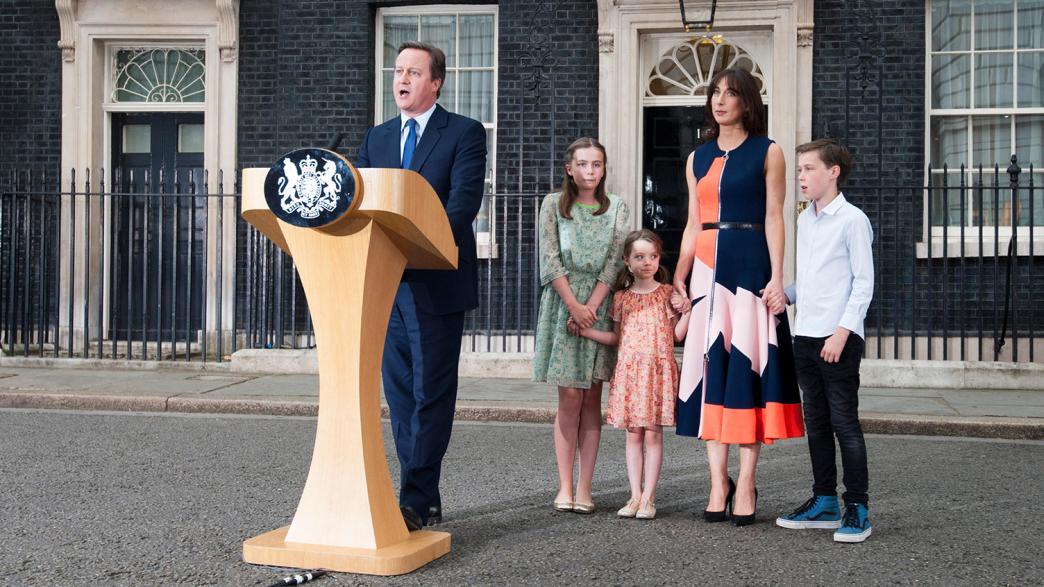
The result of the referendum immediately cost David Cameron the position of prime minister he had held for six years – having governed with a Conservative majority for one year, following five years of what in retrospect looks like remarkably stable coalition with the Liberal Democrats.
That vote itself was called by Cameron in response to external pressure from Nigel Farage’s UKIP and internal pressure from the growing ranks of Conservative Eurosceptics. It ushered in a period of unprecedented political turbulence which has yet to end.
Chaos descends on Westminster and Whitehall
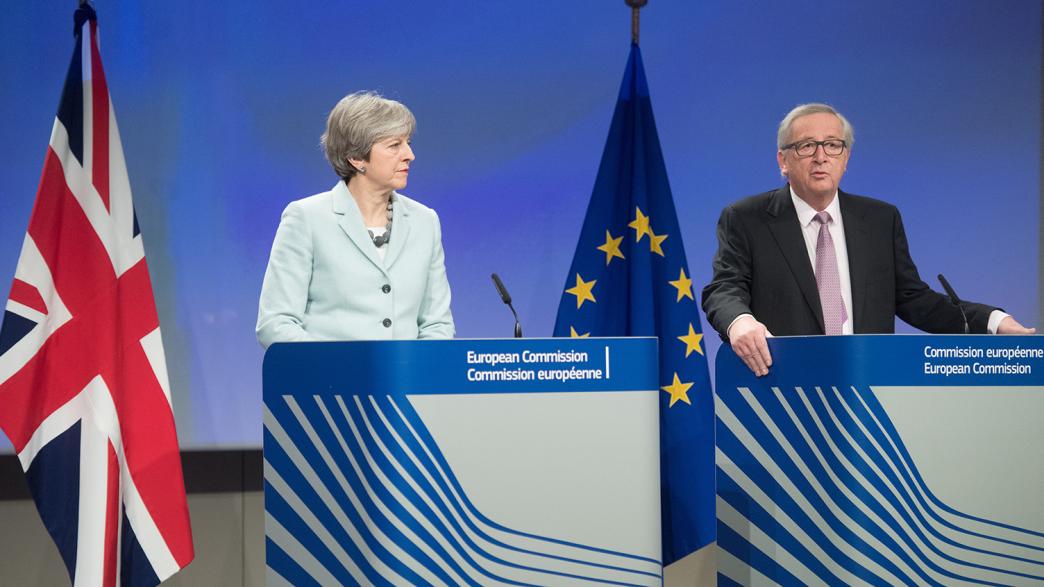
Cameron’s successor, Theresa May, could not find a Brexit compromise that both the EU and her party would accept, suffering a series of record-breaking Commons defeats along the way. The chaos broadcast weekly from the Palace of Westminster was matched in Whitehall, where ministerial churn went into overdrive with, unhelpfully, the newly minted Department for Exiting the EU particularly hit by policy-driven resignations.
Ministers were drawn into conflict with the courts over their handling of Brexit, and relations with the devolved governments became ever more fractious, with SNP first minister Nicola Sturgeon using the breakdown to reopen the independence argument apparently “settled” in 2014.
The pressure was too much for Northern Ireland which, as the only UK nation to share a land border with the EU, found itself in a particularly fraught position. Its often fragile executive collapsed, leaving civil servants to govern without ministers for much of the period.
Getting Brexit done
Having won the 2019 general election on a ‘get Brexit done’ ticket Boris Johnson’s government ensured the UK did finally leave the EU – albeit with a regulatory border in the Irish Sea. His government negotiated a speedy free trade deal with the EU, announced on Christmas Eve 2020 and passed into law by face-masked parliamentarians on 30 December, at the height of the pandemic.
The process of getting there left scars. Johnson’s unlawful prorogation demonstrated that the UK could no longer rely on the self-denying ordinance of not embarrassing the monarch to guard constitutional norms and ministers demonstrated a casual contempt for upholding international obligations. Meanwhile, ministers and their advisers dowsed the civil service in a “hard rain” which cost a few senior people their jobs and did a lot undermined ministerial-civil service relations.
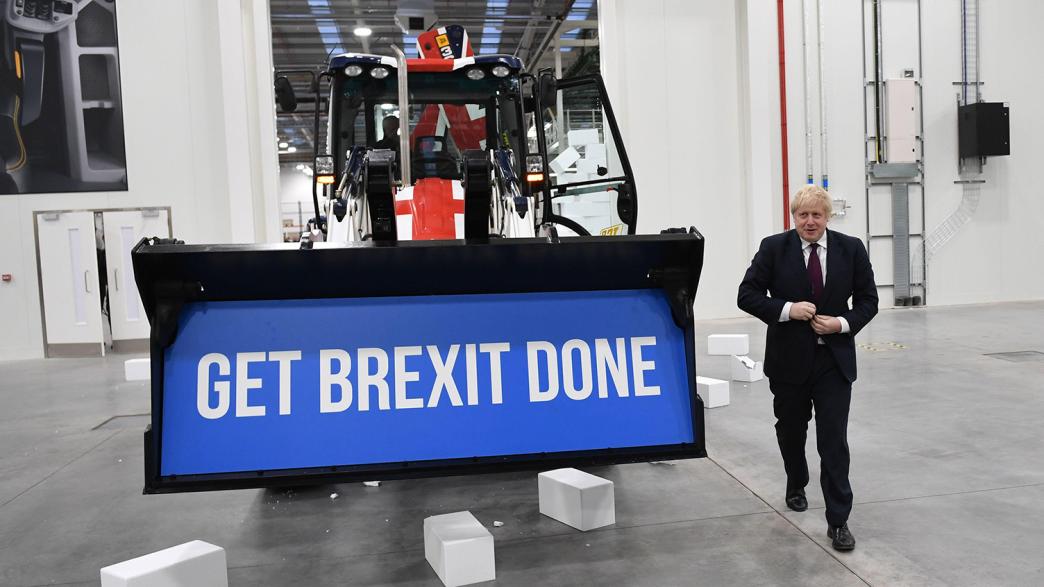
But Brexit did get ‘done’. The state went on functioning – though with a massively expanded civil service and with businesses facing extra bureaucracy. Some Brexit opportunities were seized. New trade deals were landed and in some areas the UK started to forge its own path, whether on financial or tech regulation, or reforming the much-loathed Common Agricultural Policy. Ministers were able to set new immigration rules – and now cannot escape accountability for the consequences.

Boris Johnson signs the UK–EU Trade and Cooperation Agreement.
The 2020s have not been a good time to launch ‘Global Britain’
The external context has changed emphatically since 2016. Then, it was President Obama warning the UK it would be “at the back of the queue” for a trade deal – which seems like a slight inconvenience now compared to President Trump upending the world trade order with weaponised tariffs, a war of choice in Iran and a lukewarm commitment to European defence, with the many economic and political challenges that brings.
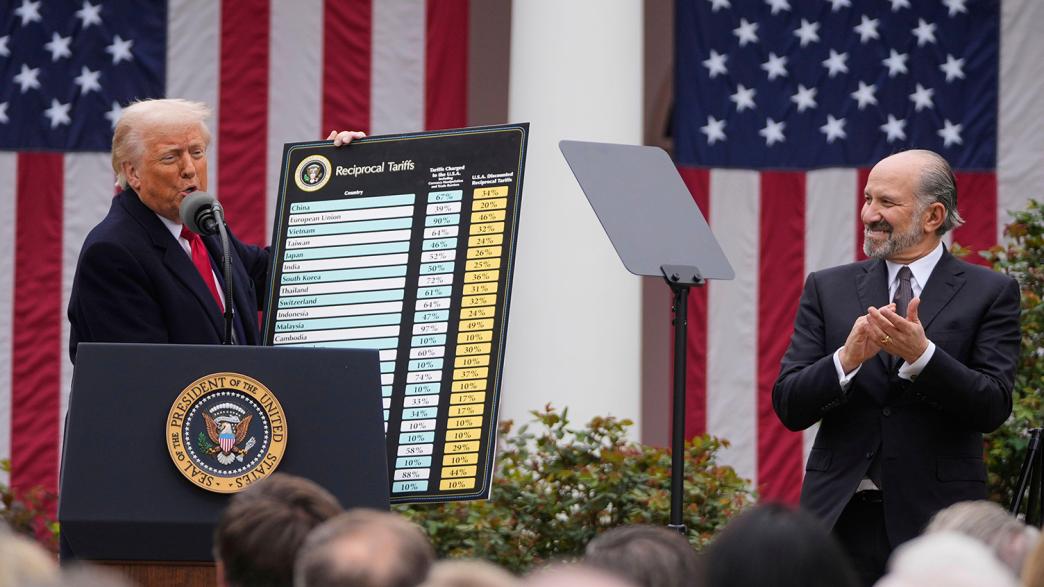
In short, being a medium-sized nimble player is much harder in a decade of regional, authoritarian power players than it was at the tail end of globalisation in 2016.
Lessons from preparing for a no-deal Brexit did, however, prove useful in enabling the state to mobilise to cope with this list of new crises – which included a global pandemic and the first land war in Europe for a generation. But both left the UK with massively weakened public finances, which made the economic hit from Brexit harder to weather and limited successive governments’ ability to tackle the underlying frustrations – at austerity, regional inequality, poor access to housing, decline of the public realm – which lay behind at least some of the Brexit vote in 2016.
Brexit at 10
To mark the 10th anniversary of the EU referendum, the IfG has reflected on how leaving the EU has changed UK government.
Explore the series

There have now been six prime ministers since the EU referendum in 2016.