The UK-EU summit will be a test of the political salience of Brexit
What are they key issues to look for as Andy Burnham seeks a new EU deal?
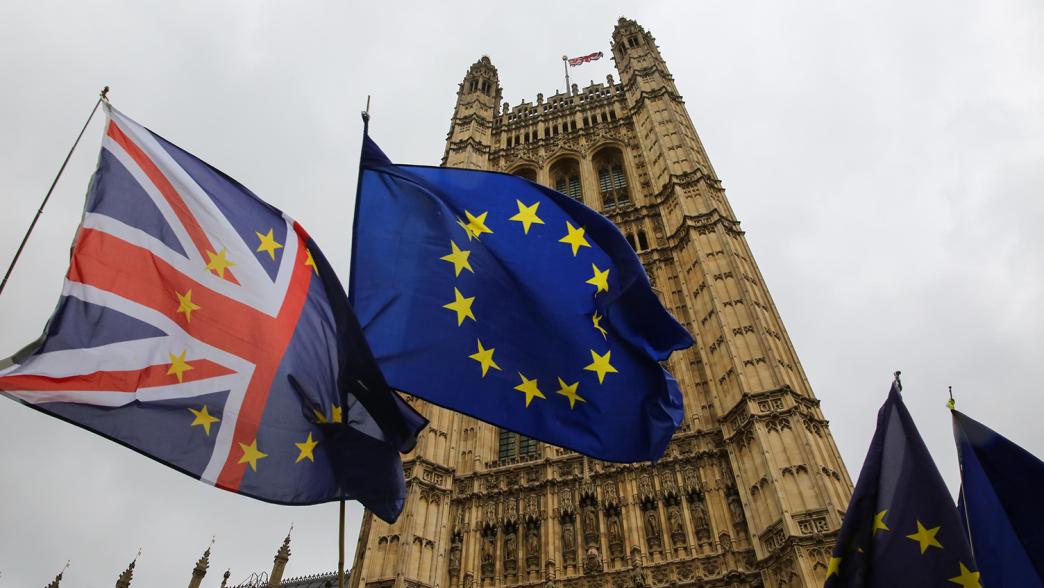
On 20 November Andy Burnham goes to Brussels for his first formal summit with the European Union. The reaction to whatever deal he lands will show where the politics of Brexit now sit, argues Jill Rutter
Dynamic alignment. Derogations or carve-outs. Transitions. Youth mobility. Preferential university fees. Budget contributions. Commission oversight. ECJ jurisdiction.
All these terms in the EU lexicon would have been highly contentious and provoked huge debate and division in the first post-Brexit decade. A Labour prime minister would see a pragmatic softening of a deal that made life a nightmare for too many British businesses exporting to Europe. Others would have portrayed such a move as a pathetic betrayal of the 52% who voted Leave by Brexit loyalists.
So the scale and vehemence of opposition to “undoing” Brexit will be the first issue to look out for when Andy Burnham heads to Brussels. There will still be some voices of protest, and the Conservatives have said they will tear up any agreements the PM reaches. But at this year's Conservative conference Kemi Badenoch's biggest argument against reopening the Brexit debate was asking her audience if they could “imagine having to go through that again”. It was hardly the staunchest defence of Brexit. Nigel Farage, meanwhile. proved surprisingly camera shy when Keir Starmer launched these negotiations at the first summit 18 months ago.
Reaction to whatever is agreed on youth experience will be worth watching
When, in spring 2024, the European Commission first floated the idea of putting youth mobility into any future discussions with the UK, the Guardian managed a headline about the Commission plotting a return of “free movement” (which it certainly was not). Both mainstream parties rushed to denounce it as the general election approached, and then the newly-elected Labour government repeatedly rejected any suggestion that it was prepared to countenance a youth mobility scheme. But even Keir Starmer was forced to come round as he realised this was one of the EU’s few demands, and that it would not budge on other aspects of the reset until he was prepared to look at this issue. It turned out too that the British public was much more relaxed about a limited scheme for under-30s than much of the political class.
That said, the details of the youth experience scheme have proved hard to agree. There is the problem that the Commission itself cannot guarantee that member states, who have competence on migration from third countries, will let young Brits come to work or study. Then there was the EU’s objection to UK demands for an annual cap – and it will be interesting to see where that number settles. But most difficult of all has been the EU demand, not mentioned in last May’s Common Understanding (the summit communique), that any EU student studying in the UK should only pay home fees. That puts a potentially big price tag on the scheme, with either UK universities losing a chunk of income, or the government footing the bill – a bill that would come on top of the hefty contribution the UK had already agreed to reassociate with the Erasmus programme in 2027, and one that it is likely to increase when/if it reassociates for the next multi-year budget period when the UK’s bill may well go up.
The EU will be unwilling to operationalise the deals on agriculture and emissions until the UK settles the issue on student fees of the new deal. But in any case, although youth mobility is not freedom of movement, it will be interesting to see if the prospect of thousands of young Europeans being able to come here again (and young Brits going in the other direction) provokes more than a shrug.
Can Andy Burnham secure any comfort on Made in Europe – and at what price?
Since the initial Common Understanding was agreed, a new problem has emerged for the prime minister – the risk to UK manufacturing supply chains of the EU’s more protectionist Made in Europe stance. This is not aimed at the UK – but it risks being collateral damage unless the prime minister can convince the EU that the UK (and potentially other third country trade partners too) should sneak inside the EU’s protective wall. But that will not be costless. A proposal from German chancellor Friedrich Merz and French president Emmanuel Macron would see the UK exempted from Made in Europe restrictions on cars, provided it agreed to align its external tariff with the EU’s to prevent it being a backdoor route for Chinese EVs into the EU.
More generally it will be interesting to see what, if any, carve-outs from EU regulations the UK has secured as part of its commitment to realign with EU rules on agrifood exports and to join the EU emissions trading scheme – and the extent to which that triggers a row over energy prices. Ditto the scale of the UK contribution towards the administration of these schemes – and how far the UK government can claim there are offsetting domestic savings. Last, but not least, we may learn more about what the famed ambition for “decision-shaping”, designed to sweeten the pill of rule-taking, looks like in practice.
The prime minister has promised a speech setting out future options. Whatever happens next week, it may well be overshadowed by what Andy Burnham says about the destination beyond the summit. That will be the real test of the current state of the politics of Brexit.
- Topic
- International relations
- Keywords
- Economy Foreign affairs Trade Immigration
- Political party
- Labour
- Administration
- Burnham government
- Public figures
- Andy Burnham Keir Starmer
- Publisher
- Institute for Government