General election 2024: Six things the winner must do to improve government
Government problems go beyond party or ideology: the whole system needs to change.

Hannah White sets out six key ways to make government better, arguing that its problems go beyond party or ideology: the whole system of government needs to change

1. Fix No.10 and the Cabinet Office
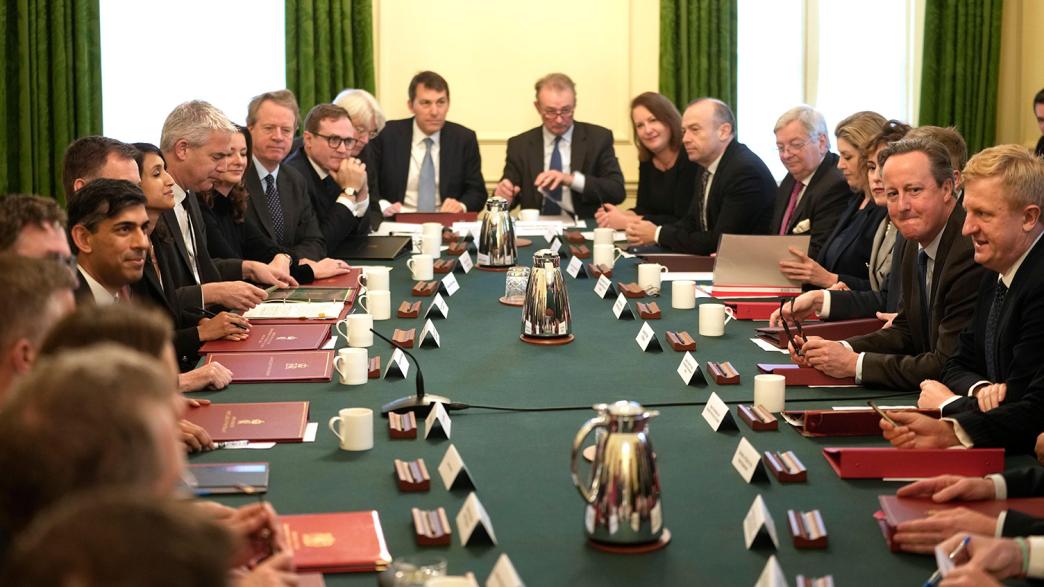
The prime minister is the executive leader of the government and should be supported as such. But the centre of government – No.10, the Cabinet Office and the Treasury – has failed successive prime ministers. Upon leaving office, many have bemoaned the weakness of their support. But none – in recent history, at least – have done enough to improve things during their premiership.
Our Commission on the Centre of Government set out our recommendations for fixing the centre. No.10 and the Cabinet Office should be restructured into a new Department of the Prime Minister and Cabinet and a separate Department for the Civil Service, housed in a modernised Downing Street and 70 Whitehall complex.

The prime minister should appoint a new first secretary of state to drive the government’s priorities working closely with the chancellor. The government should assemble an executive cabinet committee made up of a small number of key ministers. Shaping key decisions in a smaller and more functional group before they are discussed and endorsed by the full cabinet is not only legitimate but necessary – Cabinet is too large and unwieldy to be a proper decision-making forum.
And there should be a standalone head of the civil service, separate to the cabinet secretary, to give the institution the dedicated leadership it deserves. As former cabinet secretary Jeremy Heywood told the IfG in 2015; “For many people this would be one of the biggest things they did; it is just number five on my list.” A prime minister serious about achieving his priorities must ensure the civil service is led by an individual with the time and skills to equip it to deliver.
Watch the key findings from our Commission on the Centre of Government
When to run the next spending review
The next government must hold an urgent spending review before a budget 'cliff edge'.
Read the report
3. Overhaul ethics and standards
Trust in the institutions of public life has taken a beating after years of scandal in UK politics: from MPs’ lobbying to corruption allegations arising from the government’s response to the pandemic – and, of course, the ‘partygate’ affair that implicated figures at the very heart of government. There is a sense among the public that people in power do not feel bound by the same rules as them. Two thirds of respondents to an IfG/Ipsos poll said that they do not think the current government behaves according to high ethical standards (65%); and approaching half believed standards of behaviour had got worse since the 2019 general election (45%).
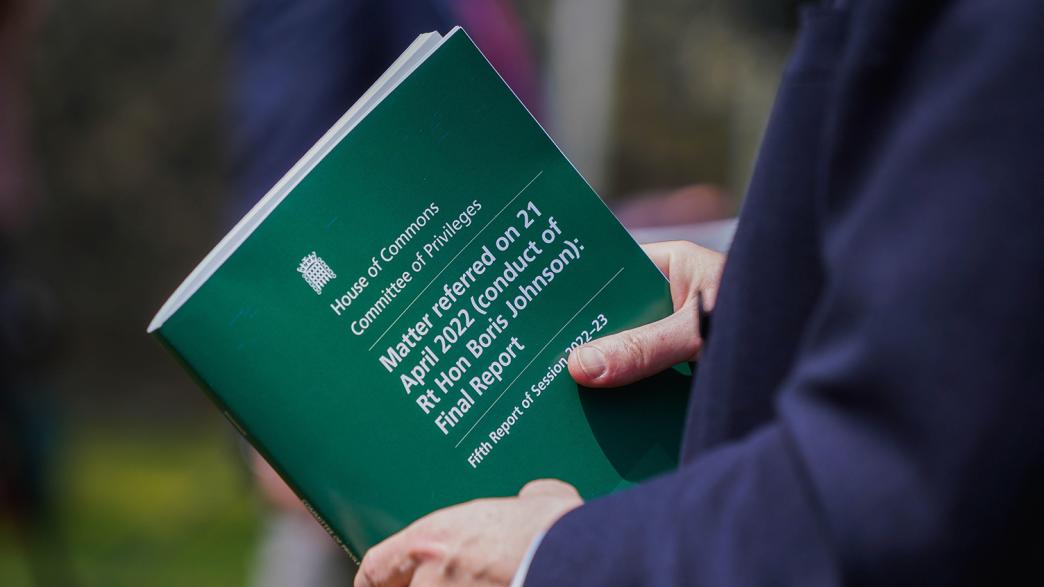
In Rebuilding trust in public life, we argue that whoever wins the next election must start to tackle this – rebuilding trust will take time and the prime minister is the only person who can change the culture of government. Whoever is in No.10 on 5 July should publish a new ministerial code and give the independent adviser on standards the ability to investigate allegations of misconduct without the permission of the prime minister. The code and rules around business and public appointments should be placed on a statutory footing. And data and transparency on standards should be improved, with new routes for whistleblowing created.
4. Complete the map of English devolution
Metro mayors have already shown how they can improve regional economic performance – by improving transport systems, investing in training for the jobs of the future or leading major urban renewal projects. And following the May 2024 elections, there are now 12 metro mayors representing approximately almost half of England’s population and over half the country’s economic output. But the map of English devolution remains an incomplete patchwork of mismatched deals, the powers and funding devolved are still inadequate for the job at hand, governance and accountability need to be tightened and the entire devolution agenda is vulnerable to shifting Westminster priorities.

In How the next government should complete the map of English devolution, we argue the next government should reset the English devolution agenda and put forward 30 proposals – which can and should be implemented over the next five years – to complete a “job half done” with a new deal for England.
How the next government should complete the job of English devolution
The English devolution agenda needs a reset. The next government must extend devolution to 85% of England to deliver meaningful and balanced economic growth.
Read the report
5. Reform the civil service
Reform of the civil service to build its capability is now essential. For all the flawed execution, this was something Dominic Cummings and Michael Gove understood in 2019, making government reform a priority. But momentum quickly dissipated and most of the problems identified in Gove’s 2020 Ditchley Lecture and the 2021 Declaration on Government Reform remain.
Chief among these problems is muddled accountability between ministers and officials. Too often it is not clear who is responsible for what, and the head of the civil service does not have sufficient authority and autonomy to effectively manage the capability of the institution they lead. That is why the Institute has recommended that the civil service be put on a statutory footing, with a civil service board created to hold the civil service to account and apply constructive external pressure to reform. Clarity on these issues would help to avoid unnecessary mistakes, blame games, improve long-term planning and help governments better learn important lessons.

While addressing underlying problems of accountability, the election winner must also prioritise urgent action on organisational churn. Extreme staff turnover is badly damaging institutional knowledge and makes it harder to get things done. Even at the most senior levels, officials move between roles too rapidly – our research shows that a third of directors general and permanent secretaries had spent less than a year in their current role. Recruitment needs attention too. The civil service’s confusing and process-heavy hiring process makes it harder to recruit good external candidates with the specialist skills the civil service needs. And the civil service should offer more flexibility on pay, to retain existing staff and to tempt experts into government, including by rebalancing higher up-front salaries against still-generous pensions.
Watch our event on civil service talent
6. Support ministers to be effective, through support akin to that offered to private sector leaders
Government ministers arrive in post and are expected to get on with the job immediately, often with little or no introduction as to what the role actually entails. If there is a change of government, many new Labour ministers will have no experience of leading a government department or equivalent sized organisation.
Just as the private sector provides mentoring, coaching and other development opportunities for C-suite executives, the government should ensure that ministers are supported to lead their teams and pursue their priorities as effectively as possible. The civil service has developed a range of resources for new ministers, but there are some things that can only be learned from others who have done the job, or from those with an outside perspective. By embedding a expectation of ongoing professional development among ministers, the prime minister after the election will help ensure they can achieve what they promise to voters.