The fiscal devolution roadmap is the radical reform in an otherwise quiet budget
This document may not have grabbed headlines but could bring about real change.
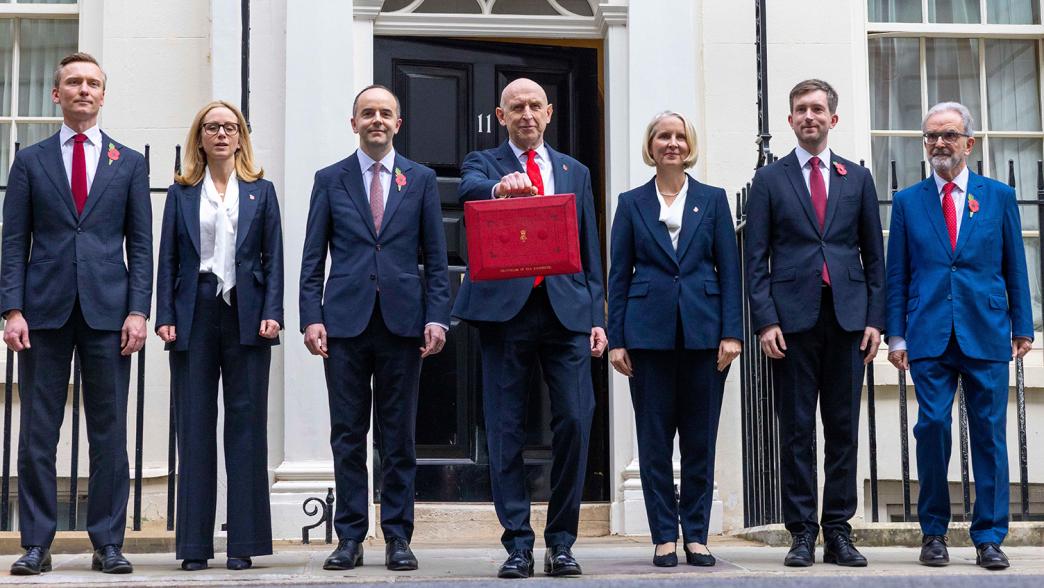
John Healey’s budget was a quiet affair – but one aspect of it was quietly radical, says Tom Pope.
The fiscal devolution roadmap, published alongside the budget, detailed plans to fund mayoral strategic authorities (MSAs) through a share of income tax rather than grants, and allowing mayors to retain some of the proceeds of growth.
This was not headline grabbing news. For one thing, we already knew the roadmap was coming: it was first announced by Rachel Reeves at her Mais lecture in March, when she proposed income tax retention. The new regime will also not be implemented until April 2028, and some important details are still to be confirmed. And the impact on people will not be obvious when the change comes in either. Mayors will not have control over income tax rates, so this is about how funding flows to mayors rather than how much tax people pay.
Nonetheless, the roadmap is significant. It promises a fundamental change in mayoral funding that suggests the Treasury is not (at least yet) reining in the prime minister’s devolution ambitions. As the Treasury fills out the details of its plans, through consultation and in the upcoming devolution white paper, it should ensure it delivers on the potential upsides from fiscal devolution while developing a wider institutional system that sets mayors up to succeed.
The roadmap sets out an ambitious new settlement for mayors across the country
The Treasury plans for almost all mayoral grants to be replaced by a share of income tax receipts, with areas able to retain more revenue if their places grow more quickly. This is a big change. Currently, mayors receive grants from central government, with often onerous requirements about how they should be spent. Even the most advanced mayoralties that receive ‘integrated settlements’ – intended to be flexible grants – in practice are constrained by having to meet specific targets set by government departments. And grants are only confirmed for a couple of years, making it hard for mayors to make long-term commitments.
The roadmap is more ambitious than we might have expected – especially if Reeves were still in post – in two ways.
The first is in scale and scope. One key question we posed for the roadmap was how willing the government would be to roll out fiscal devolution to new mayors as well as the established premiers. Making fiscal devolution available to all mayoralties rather than only the most advanced, is a change in approach from previous administrations. To date, new powers or flexibilities have tended to be rolled out to a couple of places – often trailblazers like Greater Manchester and the West Midlands – first, with other places trickling in behind them in subsequent years. This government is going further and faster, and announced new MSAs alongside the budget yesterday.
Second is that the roadmap is ambitious in the level of autonomy it promises for mayors. A more cautious government might have proposed that central government would retain substantial control over how these revenues were spent. Instead the roadmap commits to mayors having choice over which policy areas the money should be spent on, and proposes that accountability for this spending should mainly be to local institutions and people rather than central government and parliament.
This represents a fundamental change in the relationship between central government and mayors, and will mean a real transfer of control and responsibility from ministers to mayors over those policy areas – like skills and local transport – that the government devolves to mayors.
The government still has important choices to make
The roadmap laid out the structure of the system, which reflects careful design choices so far, but further details will determine exactly how the system works in practice. One important choice is how far the system will allow divergence between places growing quickly and those lagging behind. The roadmap confirms that places will keep a percentage of the growth they achieve above the national average for a long period – 10 or 15 years – but not what that percentage will be.
Likewise, it proposes a floor below which places will not be allowed to fall below, proposed at 95% of assessed need but subject to consultation. These parameters will determine, on the one hand, how big a growth incentive the system will give to mayors, and on the other how far the system will permit inequality in funding between better and worse performing areas.
A wider set of choices will also matter for whether this is an effective, functioning system. Rolling out these freedoms to all mayors will require capacity and capability to develop quickly, especially in newer institutions. In this context the Treasury’s commitment to additional capacity funding is especially. Likewise, effective local accountability requires well-functioning local scrutiny: something the devolution white paper later this year should answer.
The roadmap’s radicalism must not get lost in the fine print
In the past, for example on integrated settlements, ministers’ initial radicalism has been watered down as officials have got further into the weeds and political interest has waned. One of the big possible upsides of fiscal devolution is greater long-term certainty about funding that is not tied to biennial spending reviews, potentially allowing borrowing against future revenues for long-term investments. Whether mayors really do have that assurance depends on how the system updates funding over time. The Treasury must ensure these fine-print details do not undermine the purpose of the reforms.
The fiscal devolution roadmap is an impressive document – both in the careful choices about system design made so far and its radicalism. The next stage is just as important to ensure the final outcome is a workable and more effective system than what we have now.
- Topic
- Public finances Devolution
- Keywords
- Budget Public spending
- Political party
- Labour
- Administration
- Burnham government
- Department
- HM Treasury
- Project
- Budget 2026
- Public figures
- John Healey
- Publisher
- Institute for Government